Health Topics
Potassium
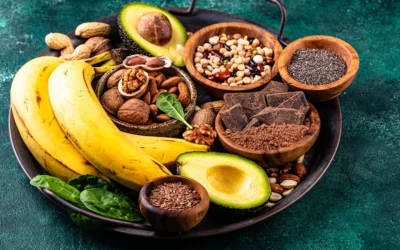
Potassium is an essential mineral and electrolyte that plays a crucial role in various physiological processes in the human body. It is represented by the chemical symbol “K” and is one of the most abundant intracellular cations (positively charged ions). Potassium is...

Vitamin E
Vitamin E is a fat-soluble vitamin that acts as an antioxidant in the human body. It encompasses a group of compounds known as tocopherols and tocotrienols, with alpha-tocopherol being the most biologically active form. Vitamin E plays a vital role in various...

Phosphorus
Phosphorus is a chemical element with the symbol “P” and atomic number 15. It is an essential mineral that plays several important roles in the human body. Phosphorus is primarily found in the form of phosphate (PO4) compounds, and it is the second most abundant...

Vitamin D
Vitamin D is a fat-soluble vitamin that is essential for various important functions in the human body. It exists in several forms, with the two most important ones being vitamin D2 (ergocalciferol) and vitamin D3 (cholecalciferol). Vitamin D can be obtained from...

Molybdenum
Molybdenum is an essential trace mineral that the body requires in small amounts for several important physiological processes. Although molybdenum is needed in very minute quantities, it plays a crucial role in various enzymatic reactions. While molybdenum deficiency...

Vitamin C
Vitamin C, also known as ascorbic acid, is a water-soluble vitamin that plays a vital role in various aspects of human health. It is a micro-nutrient, meaning it is needed by the body in relatively small amounts, but it plays a critical role in various physiological...

Major Minerals – Manganese
Manganese is an essential trace mineral that the body requires for several important processes. While manganese is essential for health, it’s important to note that nutrients, it’s needed in moderate amounts. Excessive manganese intake can be toxic and lead to a...

Vitamin B12
Vitamin B12, also known as cobalamin, is a crucial water-soluble vitamin that plays a significant role in various bodily functions. Vitamin B12 is essential for several important processes in the body.Dietary Sources: Vitamin B12 is primarily found in animal-based...

Major Minerals – Magnesium
Magnesium is an essential mineral for the human body, and it plays a crucial role in various physiological processes. It’s important to maintain an adequate intake of magnesium through diet or supplements, as a deficiency can lead to a range of health issues,...

Vitamin B9
Vitamin B9, also known as folate or folic acid, is a water-soluble vitamin that plays a crucial role in various bodily functions. It is an essential nutrient, meaning the body cannot produce it on its own, so it must be obtained through dietary sources. It’s important...

Major Minerals – Iron
Iron is an essential mineral for the human body, and it plays a critical role in various physiological processes. It’s important to maintain an appropriate level of iron in the body. Iron deficiency can lead to a condition known as iron-deficiency anaemia, which is...

Vitamin B7
Vitamin B7, also known as biotin, is a water- soluble B vitamin that plays a crucial role in various metabolic processes in the body. Biotin is essential for the metabolism of carbohydrates, fats, and proteins, and it also contributes to healthy hair, skin, and nails....